

SPECIALTIES
AI & ML
AI and ML are evolving fields. At Piksel, we focus on impactful areas: LLMs for content creation and ML for predictive analytics. Our goal is to integrate the right technologies into workflows, enhancing efficiency, creativity, and personalization.
Get in touch
OUR EXPERTISE
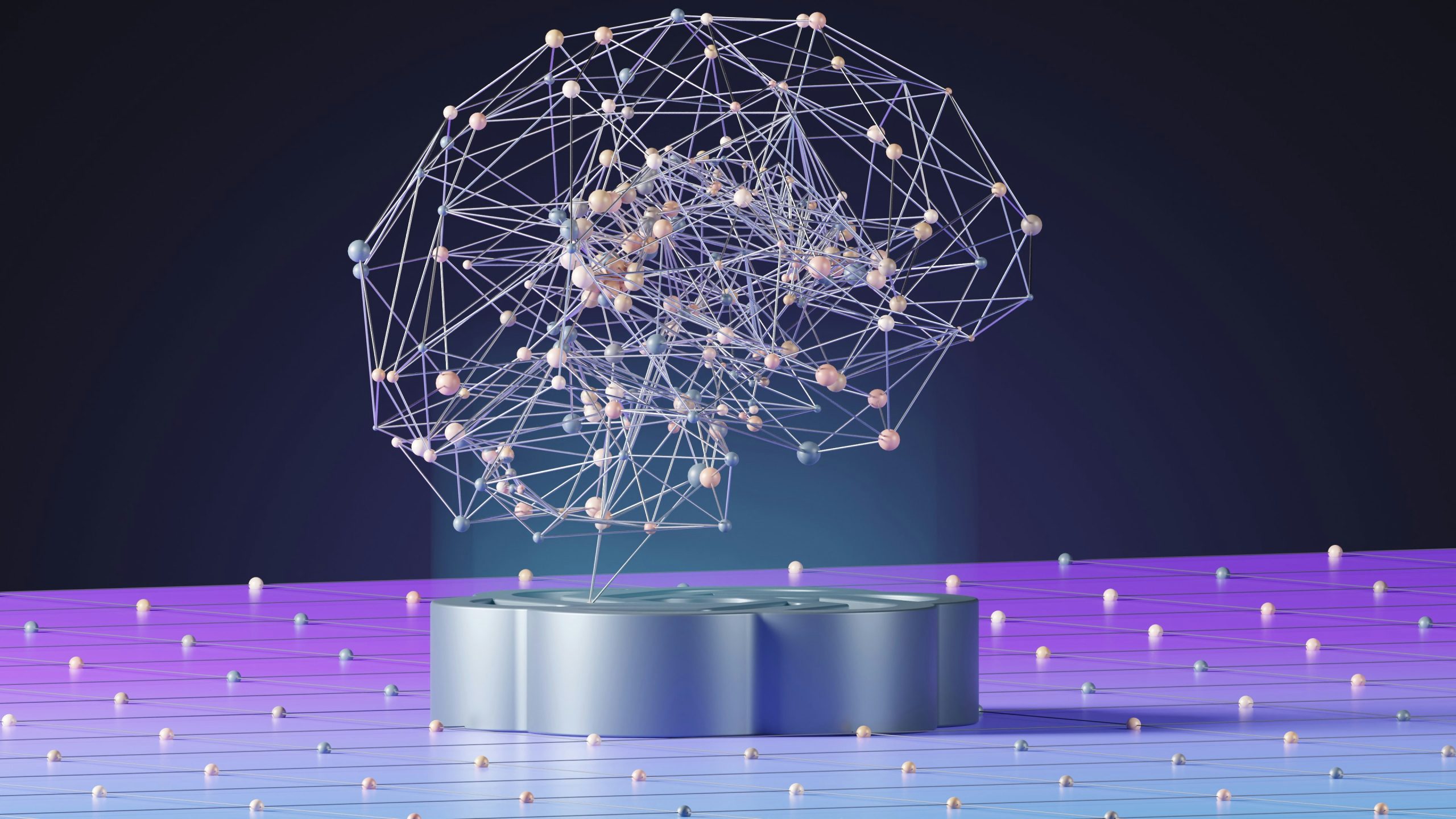
Large Language Models are AI systems trained to understand and generate human-like text. Built on massive datasets and advanced neural architectures (such as GPT-based models), they can analyze context, tone, and intent to produce coherent and relevant language.
LLMs can transform how organizations approach writing, communication, and ideation. They make it faster to draft content, refine ideas, and ensure messaging consistency across formats.
At Piksel, we customize and fine-tune LLMs to reflect our clients’ domains, voices, and brand standards.
We use them to:
- Accelerate content creation: From reports to blog posts, reducing time-to-publish.
- Maintain brand consistency: Ensuring all materials align with corporate tone.
- Enhance creativity: Acting as intelligent collaborators in brainstorming sessions, suggesting new perspectives and refining ideas.
By embedding LLMs into both creative and operational workflows, we help clients combine human insight with AI-driven efficiency.

Machine Learning is a data-driven approach that allows systems to learn from historical information and predict future outcomes. Using algorithms that adapt over time, ML brings accuracy and structure to processes that typically rely on human intuition.
ML helps organizations detect patterns, make informed decisions, and automate complex tasks. It turns data into actionable intelligence, reducing variability and improving predictability.
We apply ML models to real-world scenarios where performance and efficiency are critical. For example:
- Video streaming optimization: Teaching our workflow engines to adapt to partner-specific business logic and technical conditions, improving transcoding and delivery.
- Personalized fitness plans: Using ML algorithms to generate and adjust user-specific workout plans based on goals and performance metrics.
Each implementation is designed to enhance human decision-making, not replace it, ensuring technology adapts to the client, not the other way around.