CASE STUDIES
Cloud-Native ETL & Workforce Analytics
CLIENT: Lastminute, CATEGORY: SYSTEM INTEGRATION
/ THE REQUEST
Lastminute required a scalable and cost-efficient solution to integrate operational data from multiple customer interaction systems into Calabrio, its workforce optimization platform.
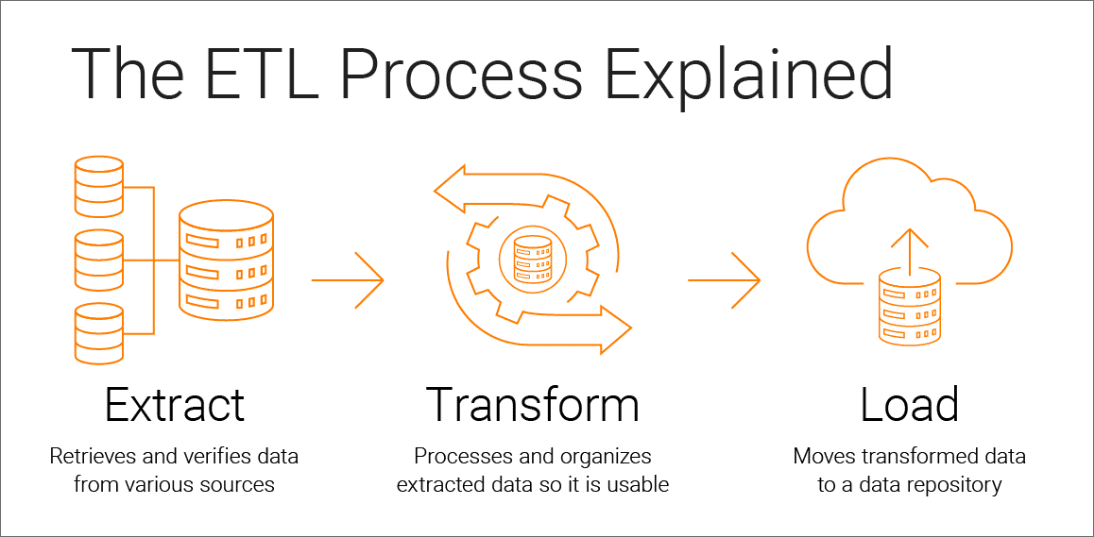
The objective was to design an ETL (Extract, Transform, Load) architecture capable of collecting data from Contact Center, CRM, and Chat systems, harmonizing and enriching it, and delivering it to Calabrio with defined frequency clusters including near real-time processing.
The challenge was to balance flexibility, high availability, infrastructure scalability, and strict operational cost control within a dynamic AWS environment.
/ WHAT WE DID
Piksel designed and implemented a cloud-native ETL architecture based on AWS, leveraging serverless principles to ensure elasticity, resilience, and cost optimization.
The solution introduced a staging data layer (Amazon S3) to decouple extraction from downstream processing, enabling asynchronous data ingestion and improved system availability.
Dedicated AWS Lambda functions were developed to handle transformation logic, including data normalization, enrichment, and calculation of derived metrics. Each data class and frequency cluster was processed independently to allow granular control and future extensibility.
Processed data was delivered to Calabrio via API integration, ensuring structured, reliable, and timely availability of operational metrics for workforce analytics.
The architecture was designed for high availability, low maintenance overhead, and seamless scalability, with built-in flexibility to accommodate new data sources, additional frequency clusters, and future transformation logic without impacting existing workflows.
/ THE OUTCOME
The implemented solution enabled Lastminute to establish a robust and scalable data pipeline supporting near real-time workforce analytics.
The serverless architecture ensured dynamic scaling based on traffic and processing needs, while maintaining operational cost control aligned with business volumes.
By decoupling ingestion, transformation, and loading phases, the platform improved system reliability and created a future-ready data foundation capable of evolving alongside operational requirements.
The new ETL framework strengthened data consistency across systems and enhanced the organization’s ability to leverage actionable insights for workforce optimization and operational efficiency.
“The new cloud-native ETL architecture has significantly improved the reliability and flexibility of our workforce data integration. The scalable design allows us to adapt quickly to operational changes while maintaining tight control over infrastructure costs.”