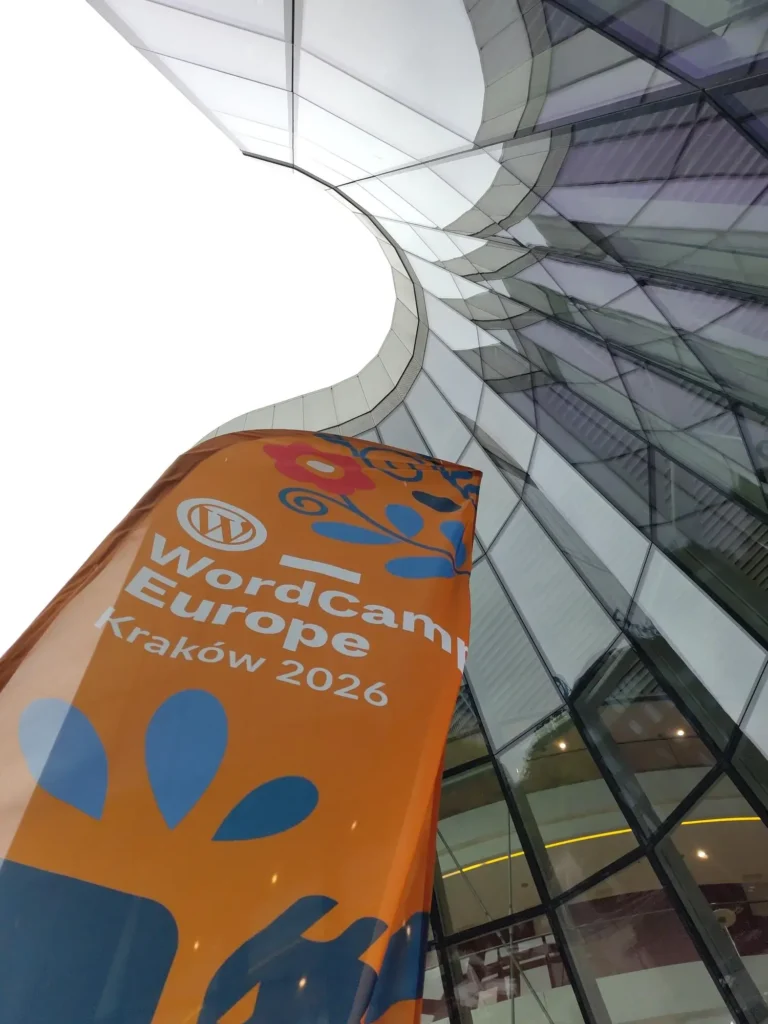
/ INTRODUCTION
As you may know, we work with AI at Piksel. Or rather, some of our company projects focus on AI.
In my case, I’ve been using a “Documentation as a context” approach for about a year now: as a developer, I’m exploring various tools to improve the codebase and security of our applications.
Since I started using these tools, I’ve felt the need to study, to read something “compelling“. I use this term precisely because I was tired of the usual LinkedIn posts about “how to multiply your turnover by 5x using Claude” and other similar things.
As an “amphibious” millennial (i.e., not a digital native), I went back to doing things like I did in the ’90s for a few days. Yes, in 1998 I studied with books like this, it seems like a century ago, books still exist… but people read less and less!
And so, as a nostalgic student, I went to the bookstore and purchased two publications. The first of them, the subject of this review, is “La differenza fondamentale” by Luciano Floridi, a philosopher, researcher, and university professor.
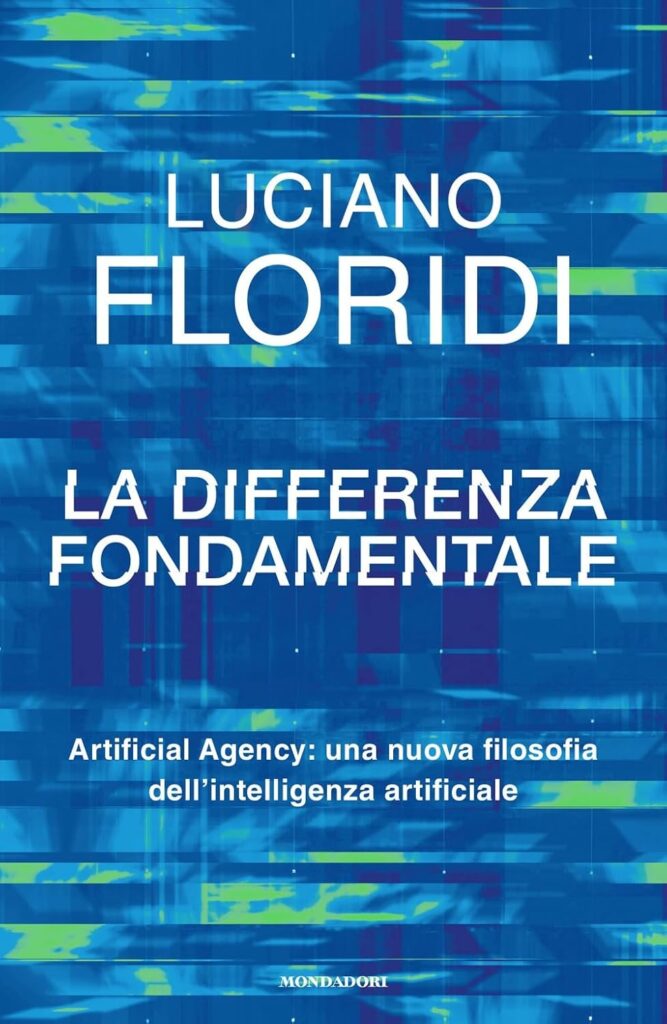
This reading was also a good opportunity to try to stay away from my smartphone; I took the book with me to the mountains and on the train. And today I finally finished reading it on the ride to the office in Milan.
Overall, I found the text very fluent, and I immediately suspected it had been written with the use of AI supervision. This was confirmed in hindsight, and I discovered that the author’s approach is called “Distant Writing”.
/ THE BOOK
So let’s get to the book.
The reading is pleasant and the style is extremely balanced (thanks to the AI in my opinion).
The AI bubble is finally explained in detail, and what it has in common with other historical bubbles (dot-coms, Chinese real estate, subprime mortgages, etc.).
The book also highlights the great need for European policies in this area. Here in Europe, we’re lagging behind, but thanks to the book, I discovered that there are many initiatives for European AI models and community policies.
The part I found most stimulating was the one explaining what an “ectype” is.
In general, the concept of “proxy” culture, discussed in the last chapter, directly led me to rethink Philip K. Dick‘s major themes: simulations, robot pets, the Penfield mood modulator.
Chapter 15 was the most difficult for me. Not having a good general knowledge of philosophy, I had difficulty navigating the detailed comparisons between the various classical authors.
/ CONCLUSION
“La Differenza Fondamentale” is a read I recommend, but I would pair it with Taleb’s Antifragile.
In fact, I think this book is a bit too “academic”, not in a negative sense, but very linear and correct, with little divergence in its conclusions. Being a popular book, it explains the fragility of AI only in the chapter on the bubble and in the models. But it doesn’t explain what Antifragile is crystal clear about: the cloud and OTT AI models are extremely fragile and project us into a dimension of dependence and vulnerability to black swans.
My proposal for our industry is twofold:
- Try to gain control of the hardware. Provide “bare metal” solutions for the customer, and avoid cloud computing at all costs (which are often high costs).
- Write your own code creatively, work with innovative but non-mainstream frameworks (such as Py4web). Avoid “giving away” your codebase to Claude (which yesterday had a global downtime) or Gemini and the like. Focus on AI/agent knowledge, but be active, not passive, players.

Web Developer, Piksel