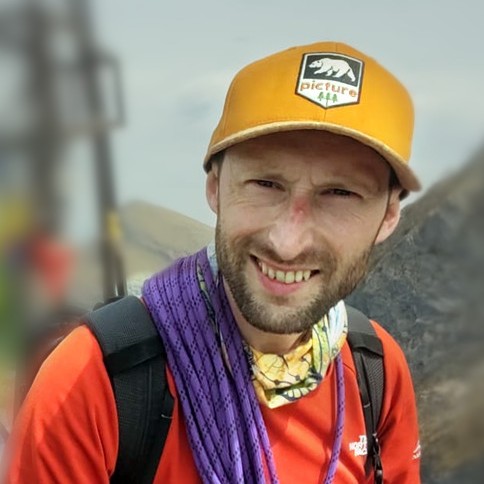
In this interview, one of our employees, Giuseppe Roberti, shares his experience of volunteering with Sistech.
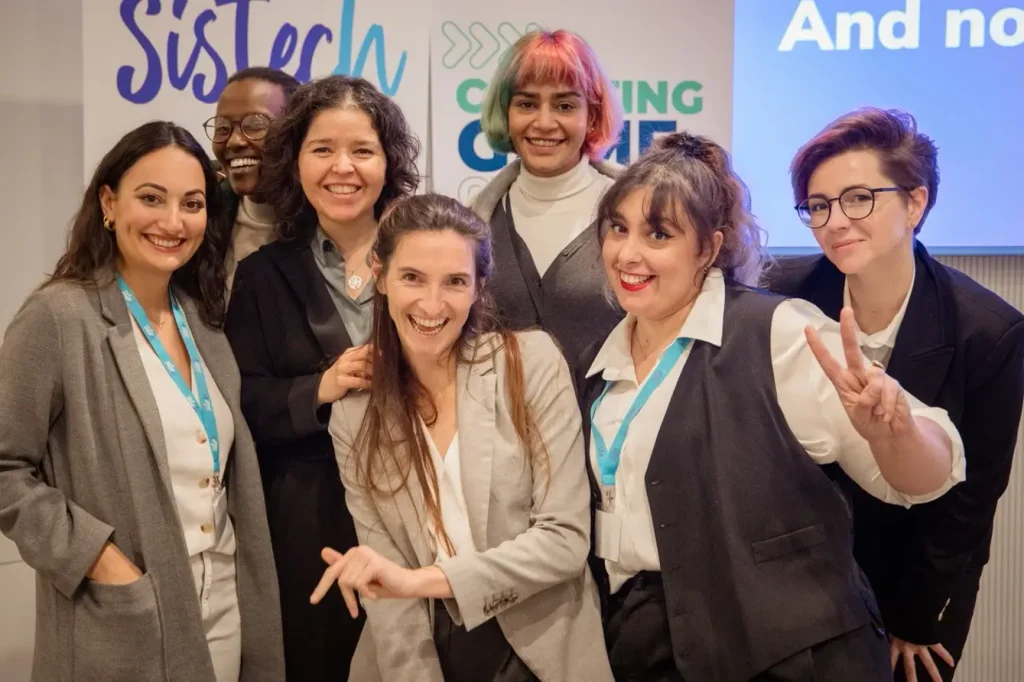
Sistech is a European non-profit organization active in France, Italy, and Greece, dedicated to the professional inclusion and empowerment of refugee and asylum-seeking women through the technology and digital sector.
Companies in the technology sector, such as BNP Paribas, Orange, Retelit, and Terna, actively collaborate on programs designed to promote diversity and inclusion in hiring.
How did you find out about the Sistech project, and what motivated you to become a volunteer for it?
I discovered Sistech on LinkedIn; for the past few years, I had been looking around for a volunteer opportunity to pursue alongside my work.
In 2023, I spent about a year contributing to a project focused on climate change communication. Then I lost my motivation… so I decided to try something more closely aligned with my specific areas of expertise.
Sistech’s goal is clear and won me over immediately: the organization works toward the professional inclusion of refugee women, referred to as “fellows”, within the digital and tech sector.
Which aspect of Sistech’s mission do you feel is most closely aligned with your own personal and professional values?
There was a great number of presentations and workshops over the following two days. Among those I was able to attend, I was particularly struck by everything related to individual growth. I am convinced that this is a valuable mission. It makes sense for everyone, and even more so for those who need to rebuild their lives after fleeing a war.
We are talking about compelling stories and a program that entails a very high level of preparation on the part of the fellows.
What role or program are you involved in at Sistech (e.g., mentorship, technical training, career support)?
I have served as both a trainer and a mentor. These two roles correspond to the “Springboard” and “Boost” programs, respectively. The latter servs as a continuation of the former. Initially, as volunteers, we focus on study curricula and practical exercises. Subsequently, through the “Boost” program, we encourage and support the fellows in securing their first job in Italy.
In my specific case, I have contributed to the development of curricula for “frontend developers.” Currently, we are focusing heavily on the challenge of integrating AI agents into projects.
There are many aspects to consider. The obsolescence of technologies, the choice of which topics to explore in greater depth…
What does your volunteer work actually look like on a day-to-day basis?
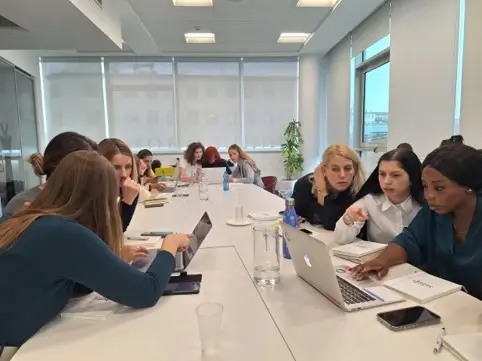
The sessions take place weekly in the evening. The working groups are well-structured, and there is a continuous exchange of feedback. Personally, I find these activities highly stimulating, even for the trainers. They involve experimenting with new working methods and technologies, as well as engaging with leading companies in the Italian market.
Can you share a story or a specific moment with one of the participants that left a particularly strong impression on you?
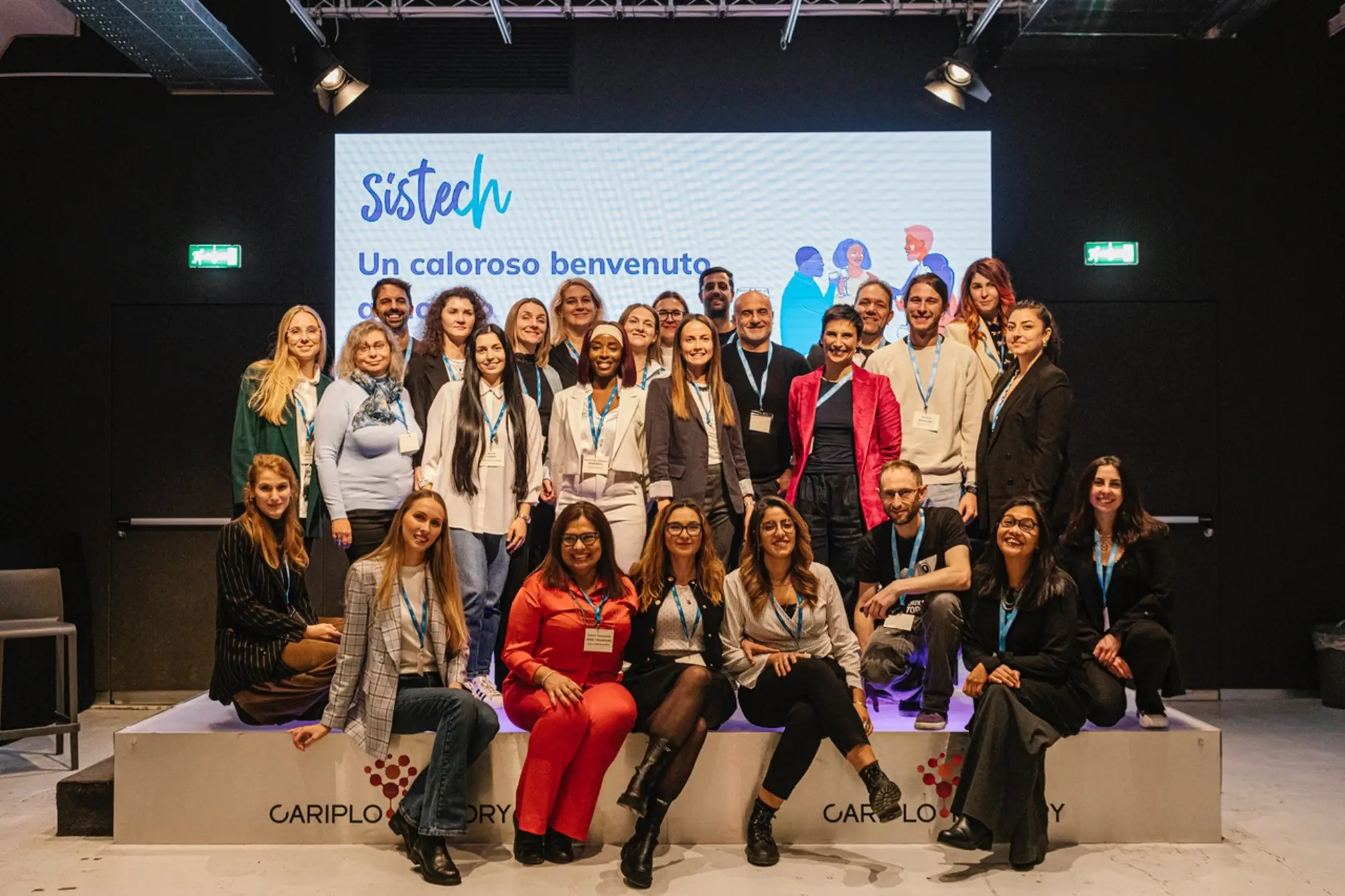
Without a doubt, the most exciting moment is the final pitch in the presence of the companies. In just a few minutes, the fellows introduce themselves to the audience, followed by a networking aperitif. It is a grand celebration of a program that is unique in Italy.
What are the main challenges that refugee or asylum-seeking women face when trying to enter the tech job market, and how do you help them overcome them?
Joining the Sistech program requires having already completed university-level education in one’s country of origin.
Recently, I’ve noticed that with the advent of AI, it can be difficult to build a solid foundation in programming and subsequently master full-stack development. The learning timeline is extremely compressed, and for those without a background in computer science, the effort required is substantial.
Ultimately, however, I believe the greatest challenge is achieving fluency in Italian; the market demands it. Everything else will follow naturally as there is no shortage of IT skills.
In what way has this volunteering experience enriched your personal journey or your perspective on the technology sector?
For me, it’s part of my passion. Working solely for a paycheck would feel limiting. I enjoy taking on new activities and experimenting.
What have you learned from the women you support throughout this journey?
To be patient. I have a tendency to always do things in a rush, but it’s important to give yourself time and let skills sink in. Things eventually come with time.
Why do you believe that gender inclusion and diversity in the tech sector are essential today?
I don’t believe they are essential. I’d like to move beyond that kind of rhetoric. Instead, I prefer to think of myself as part of a process that builds rather than destroys, which, these days, is no small thing.
The tech sector is full of companies looking to burnish their image through philanthropic initiatives or efforts toward gender equality, all while remaining involved in projects that are ethically indefensible. Today, it is essential to educate, inform, and raise awareness among people, regardless of their gender.
What advice would you give to a digital professional who is considering dedicating some time to volunteering with Sistech?
To contact me if they would like more information about the programs. Every contribution is valuable.
Web Developer, Piksel